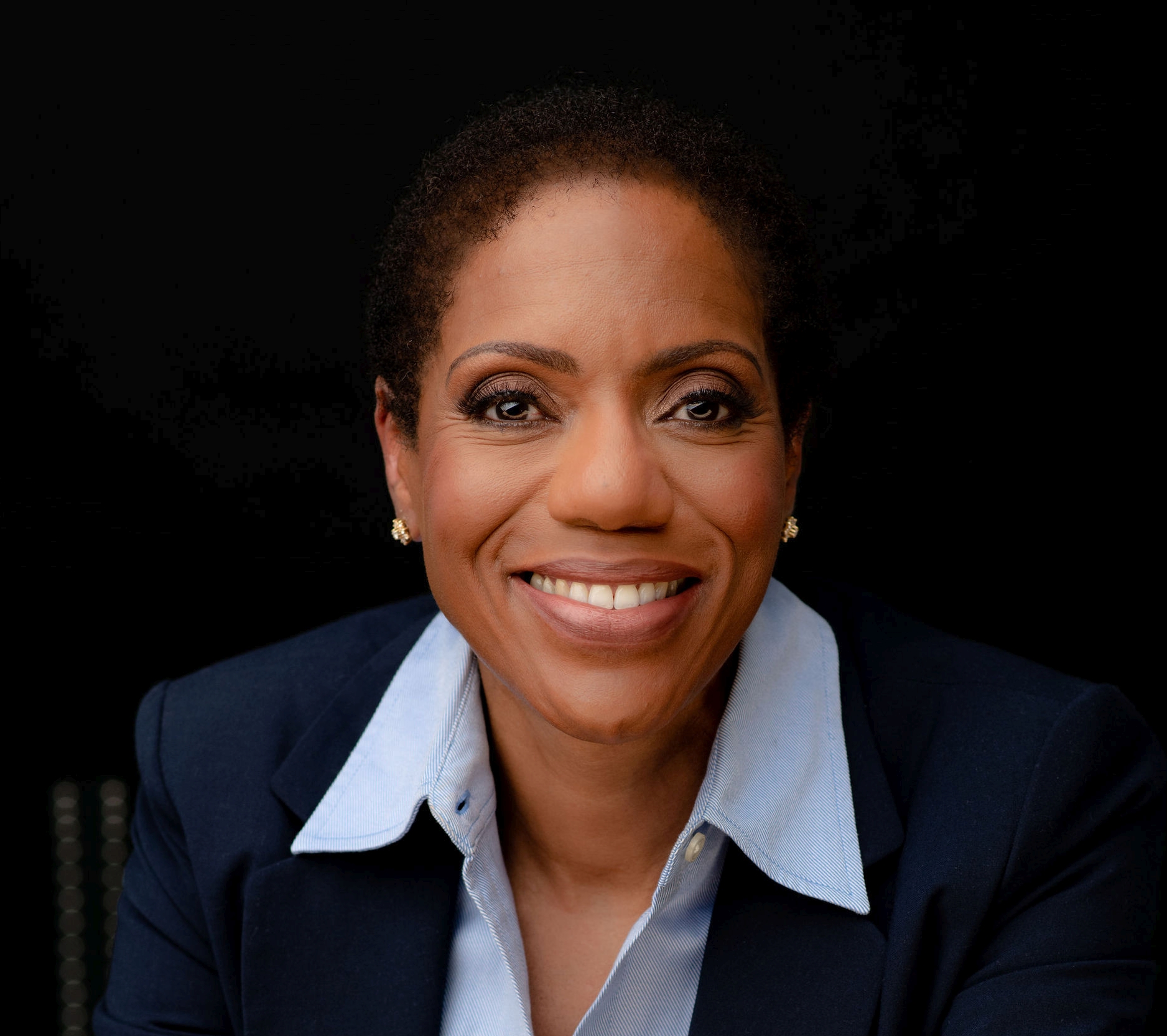
By Sonya J Snedecor, PhD, Chief Simplicity Officer at Science Clarity
One of the hardest transitions for young scientists entering the workplace is realizing that, even as the most junior members of the team, they are often the foremost expert on the work they’ve done. Their independent efforts mean they possess specialized knowledge that is valuable to the team.
In school, students are used to discussing their work with professors and classmates who are as knowledgeable—or more so—about the topic. As a result, they talk about their work assuming everyone is already familiar with the background. But once you leave that academic environment, you become the expert in your specific area. This shift requires the ability to explain your work simply and effectively.
Tips for Explaining Your Work
Master the “why” of your work in addition to the “what”. Understanding the “what” of your work is important but knowing the “why” is essential. Why are you doing this research? How does it contribute to the larger goals of your organization? Sometimes the “why” isn’t immediately clear, and it’s up to you to ask questions—possibly many of them—to understand it.
When I worked at a contract research organization, prospective job candidates were required to give a presentation during the interview process. If it became clear during the Q&A that the candidate didn’t understand the real-world implications of their work, it was often an automatic disqualification. (This was in the healthcare field, where there is always a real-world implication.)
Tailor your message to the audience. Focus on what the listener wants to know, which is not necessarily what you did. Say, for example, you are conducting a data analysis. If your supervisor asks you “how’s it going?” he probably does want to know about your methods and what techniques you’re using, and the like. If the CEO asked the same question, she would want to hear about your results, not the technical details.
If you are ever unclear on what the listener wants, don’t be afraid to ask. People will appreciate your effort to provide them with relevant and useful information.
Learn how to give a good presentation. Everyone gives presentations. All. The. Time. Good ones organize information into a logical sequence that minimizes the listener’s effort to understand. The harder someone has to work to follow your ideas, the less she will think of your work.
Once you’ve developed and refined your presentation, practice it in front of an audience. In 20 years, I have never given a conference talk without having a practice session with my colleagues. It’s that important. The practice is where you test whether what the audience heard matches what you intended to say. This is the feedback needed to refine your content and delivery to ensure you meet your communication goals.
Also know that good presentations take much, much longer to develop than you think you think they will. Don’t skimp on this time, there are no shortcuts. Most people are unwilling to spend the necessary time and effort, so this is where you can stand out.
Over the years, I’ve learned that the best science does not get the most attention, nor does the most charismatic speaker. Instead, it’s the best communicator of the best science who “wins”. This means that if you put in the effort to become an above-average communicator, you and your work will distinguish itself.
This is why I’ve made it my mission to help scientists to make an impression—not just through their work, but through how they communicate it. If you’d like to learn more, I also offer a free newsletter to help scientists learn effective communication techniques and make them common practice. You can read more and sign up at TheAmbitiousScientist.com.
About Sonya
Sonya received a PhD in Biomathematics before joining a Health Economics and Outcomes Research consulting company. For over 17 years, she worked with pharmaceutical manufacturers to demonstrate the value of their products to healthcare payers around the world. She now runs her own practice, Science Clarity (www.science-clarity.com), where she coaches scientists to become more influential through better communication of their research.
 bigmathnetwork.org